
Burlington Area Codes
Burlington is served by the 336 and 743 numbering-plan areas. The older local identity is 336, which became the modern Burlington code after the 1997 split that moved the Piedmont Triad and north-central North Carolina out of older numbering territory. The newer 743 code is an overlay. It sits on top of the same geography rather than taking a separate side of town. That means a 743 number can be fully local to Burlington, Graham, Elon, Mebane, or another nearby Alamance County community.
The area-code digits are a first clue, not a full lookup. New Burlington lines may be assigned in either current code depending on carrier inventory. Older city, county, school, hospital, and university numbers often show 336 because those listings predate the overlay, but portability and VoIP service can blur the original assignment. The most useful area-code check combines the code, the NXX prefix, the rate-center context, and an official directory source.
| Area Code | Coverage | Year Assigned | Overlay Status |
|---|---|---|---|
| 336 | Burlington, Alamance County, Greensboro, High Point, Winston-Salem, Asheboro, Lexington, Mount Airy, North Wilkesboro, and much of the north-central Piedmont. | 1997 | Primary legacy code for Burlington. |
| 743 | Same geographic area as 336, including Burlington and nearby Alamance County communities. | 2016 | Active overlay for 336. |
| 919 | Historical North Carolina context for areas that later moved into the 336 region. | 1947 | Historical only for Burlington, not a current local code. |
Burlington Area Code Map
The Burlington area code map is an overlay map, not a neighborhood split. Central Burlington, west Burlington near Alamance Crossing, north Burlington, and the I-40/I-85 corridor all share the same 336/743 environment. Nearby places that often appear in Burlington phone searches, including Graham, Elon, Mebane, Gibsonville, Whitsett, and Haw River, also sit in the same overlay region. A caller should not read 743 as "not Burlington" or 336 as "downtown only."
ZIP codes help place the search, but they do not divide the active area codes. Burlington ZIPs 27215 and 27217 are both in the overlay. Graham uses the same code set from the county seat area. Elon and its university directory show many older 336 numbers, while newer mobile, VoIP, and business assignments may use either current code. Mebane deserves an extra check because it sits near the Alamance and Orange county edge, where prefix and rate-center data matter more than the broad area-code label.
- Central Burlington, 27215 / 27217 - 336 and 743, with older listings often in 336.
- West Burlington and Alamance Crossing, 27215 - 336 and 743 for landline, mobile, and VoIP numbers.
- North Burlington, 27217 - 336 and 743, including city and county-adjacent contacts.
- Graham, Elon, Mebane, Haw River, Gibsonville, and Whitsett - the same 336/743 overlay region, with prefix checks needed for exact rate-center detail.
Note: The overlay is citywide, so no current Burlington neighborhood can be assigned to only one of the two active codes.
Burlington Overlay Terms
Burlington has lived through both kinds of area-code history. The 1997 move to 336 was part of a split from older North Carolina numbering territory. The later 743 change was different. It did not move existing Burlington customers into a new code. It added another code to the same calling area so new numbers could keep being assigned without changing every older 336 listing.
- NPA
- Numbering Plan Area, the three-digit area code at the front of a North American number.
- NXX
- The three-digit prefix after the area code. It can point to rate-center or carrier assignment history, but portability limits what it proves.
- Overlay
- A second area code added to the same geography. Existing customers keep their numbers, and new numbers may use either code.
- Split
- A geographic division where one part keeps the old code and another part receives a new code.
- Permissive Dialing
- A transition period when old and new local dialing patterns both connect before the required pattern takes over.
For Burlington, the practical phrase is "same geography." A 336 number and a 743 number can serve the same street, the same office complex, or the same nearby town. That is why the Burlington area code question is less about drawing a boundary and more about knowing which code is active, current, and local.
Burlington Area Code Dialing
Local calls in Burlington require 10 digits: the area code plus the seven-digit local number. The rule has applied since 2016-04 because 743 overlays 336. Before the cutover, permissive dialing began in October 2015 so callers could adjust before seven-digit local calls stopped working. The later national 988 transition also pushed many places toward 10-digit dialing, but Burlington was already there because of the overlay.
Important: Burlington local calls need 10 digits; seven-digit local dialing ended when the 336/743 overlay became mandatory.
The deeper dialing picture includes N11 service numbers, star codes, toll-free prefixes, and international access. Those belong with the Burlington phone codes reference because they explain what a caller dials after the area-code question is settled.
Burlington Area Code History
Burlington's current area-code identity comes from wider North Carolina growth. The original North American Numbering Plan gave North Carolina broad area-code regions in 1947. Burlington later became tied to the 336 region when more lines, fax machines, pagers, modems, wireless phones, and business accounts consumed the older supply of available numbers. That made relief necessary for the Piedmont Triad and north-central part of the state.
The 743 overlay reflects a later relief method. Instead of forcing current 336 customers to change numbers, the overlay added a second code for the same geography. That protected older city, school, county, hospital, and university listings while creating new number inventory. The tradeoff was mandatory 10-digit local dialing, since the network needs the area code to know whether a caller means a 336 or 743 number.
| Year | Event |
|---|---|
| 1947 | 919 was one of North Carolina's original NANP area codes and covered a large eastern and central region that included territory later moved to 336. |
| 1997 | 336 split from 910/919 territory and became the primary code for Burlington, Alamance County, and the Piedmont Triad region. |
| 2015 | Permissive 10-digit dialing began for the 336/743 overlay transition. |
| 2016 | 743 entered service as an overlay, and 10-digit local dialing became mandatory in Burlington. |
| 2021 | FCC 988 implementation reinforced 10-digit dialing in many places, though Burlington already used it because of 743. |
Burlington Area Code Prefixes
The NXX prefix is the three-digit block after the area code. Burlington research found several older 336 patterns in official listings, including city and county public numbers, school district numbers, hospital-related numbers, Alamance Community College numbers, and Elon University numbers. Those patterns help a caller recognize local institutional context, but they should not be treated as proof of identity. A number can be ported to a new carrier, used on wireless or VoIP service, or spoofed by a scam caller.
For consumer use, the safest rule is narrow. Use NANPA for area-code geography, official city and county directories for government contacts, school and university sites for staff listings, and carrier or line-type tools only as time-sensitive clues. The industry Local Exchange Routing Guide is a deeper source for routing and rate-center data, but it is not a simple free public Burlington directory.
Note: A 743 prefix can be fully local; do not downgrade it just because older public listings often show 336.
Burlington Area Code Relief
No separate Burlington-specific relief code was located in the current official research beyond the active 743 overlay for 336. Area-code relief is planned at the numbering-plan area level, not by a single city block or neighborhood. For Burlington, that means future changes would be tied to the wider 336/743 region and would involve public notice, carrier updates, customer education, and state utility regulatory context.
The North Carolina Utilities Commission is the state utility regulator to cite for telecommunications consumer context. Its site is also the successful manifest image source for this page.
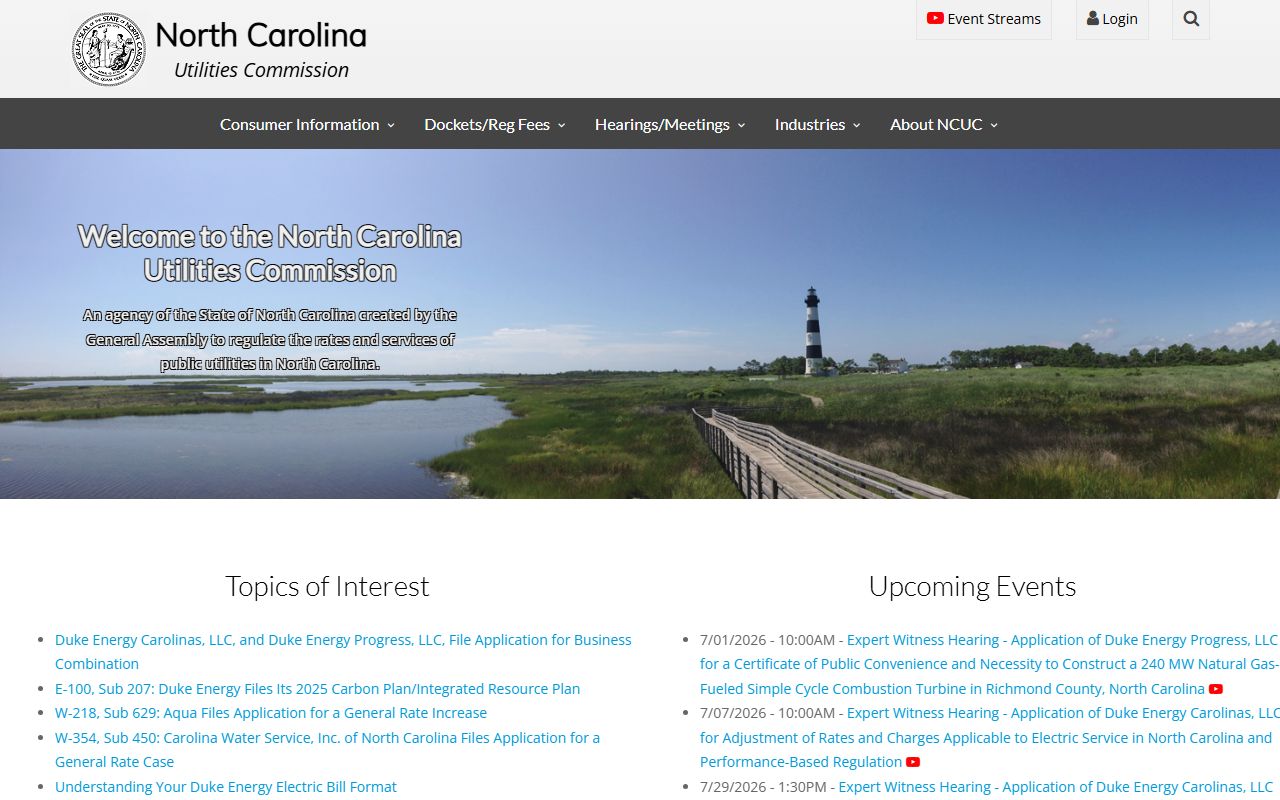
The NCUC source supports the state-level role behind area-code relief and telecom consumer issues, while NANPA remains the numbering-plan authority for the area-code map.
Verify Burlington Area Codes
Official verification starts with NANPA's North Carolina area-code map. NANPA is the numbering-plan source for the NPA map, including which codes serve the state and where relief codes apply. The FCC ten-digit dialing reference explains why overlays and 988-related conflicts can require local callers to use the area code for every call.
When the question is whether a specific number belongs to a real Burlington office, the area-code lookup should be followed by the original directory. City staff numbers should be checked against the City of Burlington directory, county offices against Alamance County pages, schools against ABSS, and university numbers against Elon. The area code says the number fits the region. The source directory says whether the number is the current office contact.